- PlateDiary
- Calories
Calories
Calories in restaurant dishes, by cuisine.
Typical numbers for the dishes people order out — one rough figure, the range a real restaurant portion lands in, and what pushes it up or down.
Calories
Dishes by cuisine
Restaurant portions vary a lot from place to place, and so do the calories in them. Every dish page gives one typical number for a normal restaurant serving, the usual low-to-high range, protein, carbs and fat in grams, and the things that move it most: the oil, the sauce, the rice, the size of the plate.
The figures are estimates built from published food composition tables and typical portions, and every page lists its sources and the day it was last reviewed. They are a rough guide for curious eaters, not medical advice; for that, talk to a doctor or a dietitian.
The menu
American & British dishes
The menu
Café & desserts dishes
The menu
Chinese dishes
The menu
Filipino dishes
The menu
Indian dishes
The menu
Indonesian dishes
The menu
Italian dishes
The menu
Japanese dishes
The menu
Korean dishes
The menu
Malaysian & Singaporean dishes
The menu
Mexican dishes
The menu
Middle Eastern dishes
The menu
Thai & Vietnamese dishes
Guides
Reading the numbers
Calories
Calorie counter for eating out
Snap the table and each dish gets one rough calorie number you can accept or correct. A photo calorie tracker for restaurant meals, with no account to make.
Open →
Calories
Calories when eating out
How to count calories when eating out, no scale needed: start from a similar dish, break the plate into parts, watch oil and rice, and count only your share.
Open →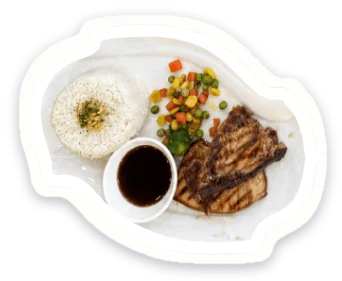
Calories
AI calorie counter accuracy
Photo calorie apps usually guess low, often by a third of a meal. What a 2026 NIH test of four apps found, why fat trips them up, and how to correct them.
Open →Calories
Japanese food
Rough calories for Japanese restaurant food — tonkotsu ramen, sushi by the piece, katsu curry, gyudon — and the broth, frying and rice that move them.
Open →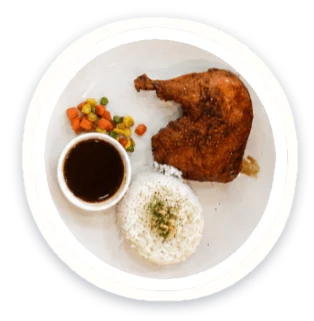
Calories
Korean food
Rough calories for Korean restaurant food: samgyeopsal and unlimited Korean BBQ, bibimbap, fried chicken, tteokbokki and kimchi jjigae, and what moves them.
Open →Calories
Chinese food
Rough calories for Chinese restaurant and takeout food — fried rice, sweet and sour pork, dim sum by the piece — and how frying, sauces and rice change them.
Open →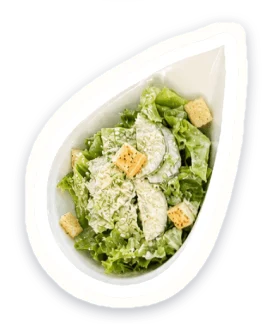
Calories
Thai & Vietnamese food
Rough calories for Thai and Vietnamese restaurant food — pad thai, pho, curries and spring rolls — and why wok oil and coconut milk weigh more than broth.
Open →Calories
Malaysian & Singaporean food
Rough calories for hawker favourites — nasi lemak, Hainanese chicken rice, laksa and char kway teow — and how coconut, lard and gravy change the plate.
Open →Calories
Indian food
Rough calories for an Indian restaurant meal — tikka masala with rice, biryani, naan and dal — and how cream, ghee and shared dishes change your share.
Open →Calories
Filipino food
Rough calories for Filipino restaurant plates — adobo, inasal, lechon kawali, pancit, silog and halo-halo — with and without rice, and what makes them heavier.
Open →Calories
Mexican food
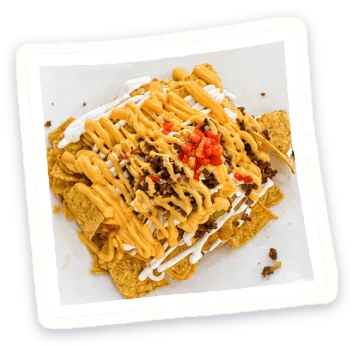
Rough calories for tacos, burritos, burrito bowls, quesadillas and nachos at sit-down Mexican portions, and how cheese, tortillas and the chip basket add up.
Open →Calories
Italian food
Rough calories for Italian restaurant pasta, pizza and dessert — bolognese, alfredo, lasagna, margherita, tiramisu — and why cream and plate size matter most.
Open →Calories
Middle Eastern food
Rough calories for gyros, falafel wraps, hummus with pita and mezze, and how bread, tahini, olive oil and frying change a Middle Eastern meal out.
Open →Calories
American & British food
Rough calories for burgers and fries, wings, steak, salmon, sandwiches, Caesar salad and fish and chips, and why the side and the dressing matter so much.
Open →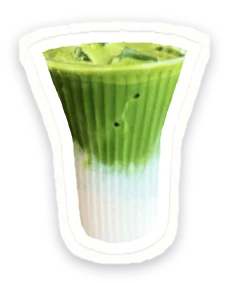
Calories
Café & desserts
Rough calories for café drinks, brunch and desserts — latte, cappuccino, bubble tea, croissant, eggs benedict, cheesecake — and what milk, syrup and cream add.
Open →
Calories
Calorie tracker, no account
Want a calorie tracker with no account, no sign-up and no login? Why people look for one, what to check before trusting a private calorie app, and options.
Open →Calories
Indonesian food
Rough calories for Indonesian favourites — nasi goreng, rendang, nasi padang, bakso, sate and martabak — and how rice, santan, peanut sauce and oil change them.
Open →
In PlateDiary
A rough number for the dishes you save — only if you want one.
Off unless you turn them on
Calories in PlateDiary are off unless you turn them on. Switch them on and, when PlateDiary AI reads your photo of the table, each dish gets one rough “~” number. Accept it or change it; a number you correct is remembered for that dish. With Calories off, the app looks exactly as it did before.
A read sends small pictures of the cut-out dishes, with the place's name as a hint — never the table photo, faces or your location. Calorie numbers never go to analytics, and nothing is written to a health app. PlateDiary AI starts with free tries; here is how it works.
Questions
Questions people ask.
How accurate are restaurant calorie estimates?
Rough at best. The same dish can differ by hundreds of calories between kitchens, mostly from oil, sauce and portion size, which is why each page gives a range as well as a typical number.
Why do restaurant dishes have more calories than home cooking?
Restaurants tend to use more oil, butter, sugar and salt, and serve bigger portions, because those make food taste rich and look generous.
Where do these numbers come from?
From public food composition tables and typical restaurant portions. Each dish page names its sources and the date it was last reviewed.
Does PlateDiary count calories?
Only if you want it to. Calories in PlateDiary are off unless you turn them on; then each dish you save can carry one rough “~” number you accept or change, and nothing is written to a health app.