- PlateDiary
- Calories
- Indonesian food
- Sate ayam (10 sticks with peanut sauce)
Calories · Indonesian
Calories in sate ayam
A typical restaurant serving of sate ayam (ten grilled chicken sticks with peanut sauce and a drizzle of sweet soy, no rice or lontong, about 245 g) is about 580 calories, usually 400–800.
Restaurant portions vary; this is a typical estimate, not a label. Also called chicken satay with peanut sauce, sate Madura, satay ayam.
The usual range
Drawn on one 0–2,000 scale shared by every dish page, so plates compare at a glance.
Protein, carbs and fat
- Protein34 g
- Carbs41 g
- Fat31 g
One serving
- Serving
- ten grilled chicken sticks with peanut sauce and a drizzle of sweet soy, no rice or lontong
- Weight
- ~245 g
- Per 100 g
- ~235
The dish
About sate ayam
Sate ayam is marinated chicken grilled over charcoal and served under a thick peanut sauce with sweet soy. The chicken itself is moderate; the peanut sauce adds about a third of the total, and lontong or rice adds more. Built from its parts: ten sticks of grilled chicken satay at the MyFCD stick weight, about four tablespoons of peanut sauce, sweet soy and raw shallot — from MyFCD, USDA and TKPI values.
Ways it comes
One dish, a few numbers
What moves the number
Why one plate is 400 and another 800
- The peanut sauce, which is mostly ground fried peanuts
- Chicken skin and fat between the pieces
- Sweet soy and margarine brushed on while grilling
- Lontong or rice on the side
Ordering lighter
If you want a lighter plate
- Ask for the sauce on the side and dip
- Pick lean sticks without skin
- Order five sticks and add a side of vegetables
Side by side
Next to other Indonesian dishes
In PlateDiary
A rough number for the dishes you save — only if you want one.
Off unless you turn them on
Calories in PlateDiary are off unless you turn them on. Switch them on and, when PlateDiary AI reads your photo of the table, each dish gets one rough “~” number. Accept it or change it; a number you correct is remembered for that dish. With Calories off, the app looks exactly as it did before.
A read sends small pictures of the cut-out dishes, with the place's name as a hint — never the table photo, faces or your location. Calorie numbers never go to analytics, and nothing is written to a health app. PlateDiary AI starts with free tries; here is how it works.
How these numbers were made
Method and sources
Last reviewed
Restaurant portions and cooking vary, so these are typical estimates for one serving, built from the sources below. Treat it as a rough number: your plate may land anywhere in the range.
If you manage a health condition, ask a doctor or registered dietitian.
AI helped draft this page; every number was checked against the sources.
- Tabel Komposisi Pangan Indonesia (TKPI 2017, Kemenkes RI; panganku.org data via a public mirror) — Bawang merah, segar (NR007)
- Malaysian Food Composition Database (MyFCD 1997, IMR) — Chicken satay (satay ayam), 222016 — 10 sticks = 150 g
- USDA FoodData Central (FNDDS 2021–2023) — Peanut sauce, FDC 2707546
- Malaysian Food Composition Database (MyFCD 1997, IMR) — Soya sauce, thick (kicap pekat), 103028
- Gram weights: resepkoki.id — Sate ayam Madura (15 sticks)
Questions
Questions people ask.
How many calories are in sate ayam?
A typical restaurant serving of sate ayam (ten grilled chicken sticks with peanut sauce and a drizzle of sweet soy, no rice or lontong, about 245 g) is about 580 calories, usually 400–800. The number depends mostly on the portion and how it is cooked.
How many calories are in 10 sticks of sate ayam?
About 580 with peanut sauce, or about 400 without it. Five sticks with sauce are about 290.
Is sate ayam the same as chicken satay?
Same idea, different plate. Indonesian sate ayam comes under a thick peanut sauce with sweet soy, counted here; the Malaysian hawker chicken satay page counts ten sticks before the sauce, about 290.
How much does rice add to sate ayam?
With a plate of rice, ten sticks with sauce come to about 860.
What changes the calories in sate ayam?
The peanut sauce, which is mostly ground fried peanuts. Chicken skin and fat between the pieces.
How can I order sate ayam lighter?
Ask for the sauce on the side and dip. Pick lean sticks without skin.
Can PlateDiary show calories for the dishes I eat out?
Yes, if you want it to: calories in PlateDiary are off unless you turn them on. Switch them on and each dish you save from a photo of the table gets one rough “~” number you can accept or change.
Keep reading
More plates

Malaysian & Singaporean
Calories in chicken satay
About 290 for ten sticks of grilled chicken, peanut sauce, rice cakes and cucumber not included.
Open →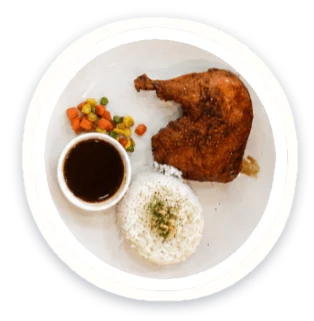
Indonesian
Calories in sate kambing
About 430 for ten grilled goat sticks with sweet soy, shallot, tomato, chili and cabbage, no rice.
Open →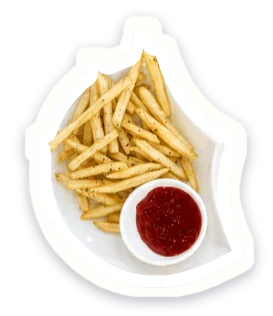
Indonesian
Calories in gado-gado
About 480 for one plate of blanched vegetables, tofu, tempeh, egg and lontong under peanut sauce, crackers not included.
Open →
Indonesian
Calories in ayam goreng
About 250 for one piece of spiced fried chicken with skin, edible weight, no rice.
Open →