- PlateDiary
- Calories
- Indonesian food
Calories · Indonesian food
Indonesian food calories, warung to café.
From a plate of nasi goreng at a Jakarta warung to sate on a Bali night market and es kopi susu in Bandung: typical numbers for the Indonesian dishes people actually order, built mostly from Indonesia’s own food composition table.
Free on iPhone and Android. No account, and it works with no signal.
In short
Most Indonesian plates land between about 400 and 860 calories: mie ayam is about 410, bakso about 510, a plate of nasi goreng about 640, nasi padang with rendang about 680 and ayam penyet with rice about 860. Rice, coconut milk (santan), peanut sauce and frying oil explain most of the difference.
Checked
How a meal is built
Rice first, then everything around it.
Many Indonesian meals are built on a plate of rice: nasi padang, nasi campur, ayam penyet, pecel lele. The rice is often a third to half of the plate’s energy, which makes the scoop size the single biggest lever — and Padang counters are famous for generous scoops.
The rest is about how things are cooked. Rendang and gudeg simmer in coconut milk; ayam geprek and batagor are deep-fried; gado-gado, ketoprak, siomay and sate all come under peanut sauce. Drinks matter too: a warung glass of es teh manis is sweeter than it looks.
What drives it
Santan, kacang, minyak — and the rice.
- Rice portion. Asking for nasi setengah (half rice) at a nasi padang place brings a rendang plate from about 680 to about 500.
- Coconut milk. Kuah gulai poured over the rice, areh on gudeg, coconut rice in nasi uduk.
- Peanut sauce. About a third of a sate ayam plate; without it, ten sticks drop from about 580 to about 400.
- Frying. Batagor is fried siomay — about 520 against 490 for steamed siomay Bandung — and the crispy coating on ayam geprek holds oil.
- Sugar in drinks and sauces. Each spoon of sugar in es teh manis adds about 50; pempek’s cuko is mostly palm sugar.
Lighter orders
If you want a lighter plate.
- Ask for half rice, and skip the extra kuah gulai over it.
- Pick soup over fried: soto ayam (about 390 without rice) or rawon’s broth are lighter than the fried sides around them.
- Dip sate lightly, or choose sate kambing with sweet soy (about 430 for ten sticks) over peanut sauce.
- Order es teh with less sugar — about 50 with one spoon instead of 150 with three.
- Share the martabak: a quarter of a small chocolate-peanut one is about 170.
How the dishes compare
An Indonesian food court, roughly.
Warung and restaurant portions vary a lot, so read these as rough. Rice values also differ between food tables: Indonesia’s TKPI lists cooked white rice at about 180 per 100 g, a little lower than the USDA figure many apps use. On a food trip, PlateDiary’s calorie counter reads each plate from one photo — calories are off unless you turn them on. Reading in Indonesian? See kalori makanan Indonesia.
| Order | Rough number | Notes |
|---|---|---|
| Es teh manis, a glass | ~150 | 1 spoon of sugar: ~50 |
| Es kopi susu gula aren | ~170 | Large chain cups: ~350 |
| Soto ayam, no rice | ~390 | With rice: ~670 |
| Mie ayam | ~410 | Meatballs add ~50–100 |
| Bakso with noodles | ~510 | Without noodles: ~250–300 |
| Sate ayam, 10 sticks | ~580 | Peanut sauce is ~a third |
| Nasi goreng, a plate | ~640 | Fried egg: +~100 |
| Nasi padang with rendang | ~680 | Fried chicken instead: ~800 |
| Ayam penyet with rice | ~860 | Fried tempeh adds up |
In PlateDiary
A rough number for the dishes you save — only if you want one.
Off unless you turn them on
Calories in PlateDiary are off unless you turn them on. Switch them on and, when PlateDiary AI reads your photo of the table, each dish gets one rough “~” number. Accept it or change it; a number you correct is remembered for that dish. With Calories off, the app looks exactly as it did before.
A read sends small pictures of the cut-out dishes, with the place's name as a hint — never the table photo, faces or your location. Calorie numbers never go to analytics, and nothing is written to a health app. PlateDiary AI starts with free tries; here is how it works.
Sources
Where the facts come from
Questions
Questions people ask.
How many calories are in nasi goreng?
A restaurant plate of about 330 g is about 640 calories, and a fried egg on top adds roughly 100. Big street plates can come close to 950.
How many calories are in nasi padang?
A typical takeaway plate with rendang, jackfruit curry, cassava leaves and sambal is about 680. Fried chicken instead of rendang brings it to about 800; half rice to about 500.
Is Indonesian food high in calories?
It ranges widely. Soups like soto ayam and bakso sit at about 390–510, while fried and coconut-rich rice plates such as ayam penyet or nasi gudeg run about 810–860.
Where do these Indonesian numbers come from?
Mostly from TKPI, Indonesia’s food composition table from the Ministry of Health, combined with typical portions; some dishes use the Malaysian food table or package labels. Each dish page lists its sources.
Keep reading
More from the diary

Calories
Calories
Typical calories in restaurant dishes by cuisine, from pad thai to fish and chips: the usual range, protein, carbs and fat, what moves the number, and sources.
Open →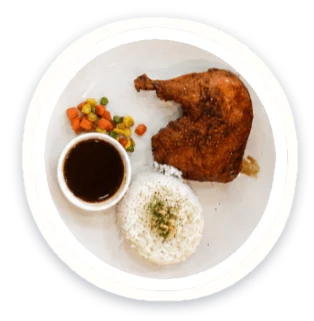
Calories
Malaysian & Singaporean food
Rough calories for hawker favourites — nasi lemak, Hainanese chicken rice, laksa and char kway teow — and how coconut, lard and gravy change the plate.
Open →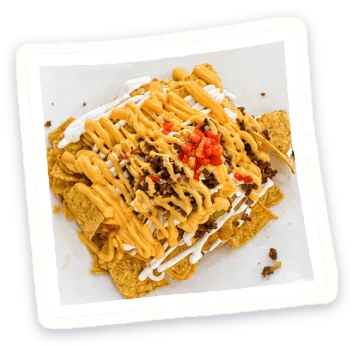
Calories
Calorie counter for eating out
Snap the table and each dish gets one rough calorie number you can accept or correct. A photo calorie tracker for restaurant meals, with no account to make.
Open →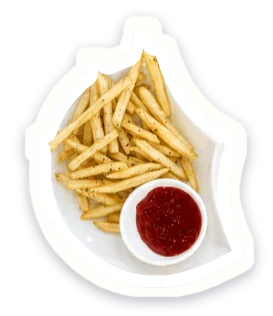
Calories
Calories when eating out
How to count calories when eating out, no scale needed: start from a similar dish, break the plate into parts, watch oil and rice, and count only your share.
Open →Made for
Food trips
Snap every stop and PlateDiary sorts your food trip by place, pins it on a map and keeps each price in the currency you paid. Capture works with roaming off.
Open →