- PlateDiary
- Calories
- Filipino food
- Pork barbecue
Calories · Filipino
Calories in Filipino pork barbecue
A typical restaurant serving of Filipino pork barbecue (two sticks of Filipino pork barbecue, grilled and basted with banana ketchup glaze, about 66 g) is about 270 calories, usually 180–450.
Restaurant portions vary; this is a typical estimate, not a label. Also called Filipino pork BBQ, pork BBQ sticks, barbecue on a stick, inihaw na baboy sa stick.
The usual range
Drawn on one 0–2,000 scale shared by every dish page, so plates compare at a glance.
Protein, carbs and fat
- Protein14 g
- Carbs9 g
- Fat20 g
One serving
- Serving
- two sticks of Filipino pork barbecue, grilled and basted with banana ketchup glaze
- Weight
- ~66 g
- Per 100 g
- ~408
The dish
About Filipino pork barbecue
Filipino pork barbecue is thin pork shoulder marinated in soy, calamansi, sugar and banana ketchup, threaded on bamboo sticks and grilled over charcoal. The sweet glaze adds some carbs, but most of each stick is pork fat and protein. Two sticks come from FNRI’s lab value for Filipino pork barbecue, at about 33 g of grilled meat per stick: a Panlasang Pinoy Meat version makes 20 sticks from a kilo of shoulder, and the grilled weight follows from the protein in raw and grilled pork (FNRI).
Ways it comes
One dish, a few numbers
What moves the number
Why one plate is 180 and another 450
- Fatty pork shoulder or belly on the stick
- Sugar and banana ketchup in the marinade and baste
- How many sticks
- Rice and atchara on the side
Ordering lighter
If you want a lighter plate
- Pick lean pieces or chicken barbecue
- Skip the extra basting sauce
- Stop at two sticks with one cup of rice
Side by side
Next to other Filipino dishes
In PlateDiary
A rough number for the dishes you save — only if you want one.
Off unless you turn them on
Calories in PlateDiary are off unless you turn them on. Switch them on and, when PlateDiary AI reads your photo of the table, each dish gets one rough “~” number. Accept it or change it; a number you correct is remembered for that dish. With Calories off, the app looks exactly as it did before.
A read sends small pictures of the cut-out dishes, with the place's name as a hint — never the table photo, faces or your location. Calorie numbers never go to analytics, and nothing is written to a health app. PlateDiary AI starts with free tries; here is how it works.
How these numbers were made
Method and sources
Last reviewed
Restaurant portions and cooking vary, so these are typical estimates for one serving, built from the sources below. Treat it as a rough number: your plate may land anywhere in the range.
If you manage a health condition, ask a doctor or registered dietitian.
AI helped draft this page; every number was checked against the sources.
Questions
Questions people ask.
How many calories are in Filipino pork barbecue?
A typical restaurant serving of Filipino pork barbecue (two sticks of Filipino pork barbecue, grilled and basted with banana ketchup glaze, about 66 g) is about 270 calories, usually 180–450. The number depends mostly on the portion and how it is cooked.
How many calories are in one stick of pork barbecue?
About 130 for a stick of around 33 g of grilled pork. Big restaurant sticks can be double that.
How many calories is pork barbecue with rice?
About 480 for two sticks with a cup of rice.
How many calories are in 100 g of pork barbecue?
About 410, from FNRI’s value for Filipino pork barbecue.
What changes the calories in Filipino pork barbecue?
Fatty pork shoulder or belly on the stick. Sugar and banana ketchup in the marinade and baste.
How can I order Filipino pork barbecue lighter?
Pick lean pieces or chicken barbecue. Skip the extra basting sauce.
Can PlateDiary show calories for the dishes I eat out?
Yes, if you want it to: calories in PlateDiary are off unless you turn them on. Switch them on and each dish you save from a photo of the table gets one rough “~” number you can accept or change.
Keep reading
More plates

Filipino
Calories in chicken inasal with rice
About 550 for one grilled leg quarter, or paa, with one cup of rice.
Open →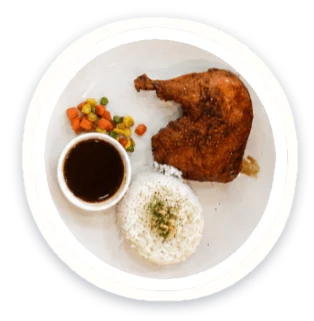
Filipino
Calories in lechon kawali
About 580 for one restaurant serving, rice not included.
Open →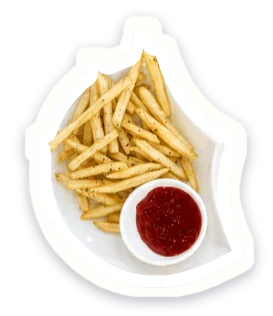
Filipino
Calories in pork sisig
About 600 for one sizzling plate for one, no egg, no rice.
Open →
Filipino
Calories in a cup of rice
About 210 for one level restaurant cup of steamed white rice.
Open →
Malaysian & Singaporean
Calories in chicken satay
About 290 for ten sticks of grilled chicken, peanut sauce, rice cakes and cucumber not included.
Open →