- PlateDiary
- Guides
- Food passport
Guide · Food passport
A food passport you can copy tonight.
A food passport turns eating out into a game: a list of dishes or cuisines to try, a page for each one, and a stamp when you have done it. It works for a trip, a year in your own city, or getting kids to try something new.
Free on iPhone and Android. No account, and it works with no signal.
In short
A food passport is a booklet or list of dishes and cuisines to try, with a page or box for each one that you “stamp” once you have eaten it. Pick a theme (world cuisines, your city, a country’s regional dishes or a kids’ challenge), set what counts as a stamp, and fill in a short page per dish: where, with whom, and the verdict.
Checked
The idea
What a food passport is.
Some food festivals and tourism boards hand out passports you get stamped at each stall. You can make your own for anything: twenty-four cuisines in a year, every dish one country is known for, or the ten snacks you must try on a trip. The stamp is a reward; the pages are the memory.
House rules
What counts as a stamp.
- Eaten out, not at home. Somebody else cooked it.
- The real thing. A dish counts if the place cooks that cuisine — a pizza at a sushi bar does not.
- At least three bites. Tasting from someone else’s plate counts, if it is three real bites.
- One stamp per dish. Going back for more is encouraged; it just does not earn a second stamp.
- The page gets filled the same day. No page, no stamp.
Copy this
The passport page.
Copy this block once per stamp — into a notebook, a note on your phone, or a printed sheet folded into a booklet (four blocks per A4 or letter page).
- Stamp no.: 07
- Dish or cuisine: injera with three stews (Ethiopian)
- Where: the place above the bakery
- When: a Saturday in March
- With: Dara and Omar
- First bite in three words: sour, spongy, brilliant
- Would order again: yes / maybe / no
- Stamp: draw one, or use a real rubber stamp
Version 1
The world cuisines passport: 24 stamps.
Two a month for a year. Swap any you already know well for one you do not.
- Japanese · Korean · Chinese (pick a region: Sichuan, Cantonese…) · Thai
- Vietnamese · Filipino · Malaysian · Indonesian
- Indian (north or south) · Sri Lankan · Nepalese · Persian
- Lebanese · Turkish · Ethiopian · Moroccan
- Greek · Italian (one region) · Spanish · Portuguese
- Mexican · Peruvian · Georgian · Caribbean
Version 2
The city passport: 12 stamps close to home.
- The dish your city is famous for, at the place locals argue is the real one.
- The oldest restaurant you can find.
- A market stall.
- A bakery before 8 a.m.
- A late-night spot after midnight.
- A cuisine from the biggest migrant community in your city.
- A place with a queue.
- A counter or bar seat.
- A dish you cannot pronounce yet.
- A place in a neighbourhood you never go to.
- A dessert you have never heard of.
- Your friend’s favourite, with your friend.
Version 3
A country passport: regional dishes.
Pick a country you are visiting or one you grew up with and list the dishes tied to its regions. Japan makes a great one: tonkotsu ramen in Fukuoka, miso ramen in Sapporo, takoyaki in Osaka, okonomiyaki the Hiroshima way in Hiroshima. Italy, Mexico, India and the Philippines (batchoy from Iloilo, sisig from Pampanga) work just as well — every region has its dish, and every dish has a home town that insists it is the original.
Version 4
The family and kids challenge.
Let kids draw their own stamps, and give a small prize at six and twelve. The rule that works best: you only have to try it, not finish it.
- Something green.
- Something with tentacles (or at least a shell).
- A noodle you slurp.
- A dish eaten with your hands.
- A dish eaten with chopsticks.
- Something spicy — one brave bite.
- A fruit you have never seen.
- A soup for breakfast.
- A bread from another country.
- A dessert that is not sweet the way you expect.
- Something the grown-ups order and you were scared of.
- A dish you choose all by yourself from the menu.
On your phone
A digital food passport.
Paper is lovely until it gets left at home. In PlateDiary, snap the table when the passport dish arrives and it is cut out and kept with the place, date and who was there. Add a tag like “passport” to each one (tags are free) and the tag page becomes your stamp book. With Premium, a custom collection does the same with its own backdrop.
Questions
Questions people ask.
What is a food passport?
A booklet or list of dishes or cuisines to try, with a page or stamp box for each. You fill in the page — where, with whom, the verdict — and stamp it once you have eaten the dish.
How do you make a food passport for kids?
List ten to twelve fun challenges (something green, a noodle you slurp, a dish eaten with your hands), let them draw a stamp for each, and give a small prize at the halfway point.
How many stamps should a food passport have?
Ten to twelve for a trip or a kids’ challenge, and about twenty-four for a year of world cuisines — two a month.
Can I keep a food passport on my phone?
Yes. Snap each passport dish in PlateDiary and give it a tag like “passport”; the tag page collects every stamp with the place and date.
Keep reading
More from the diary
Guides
Restaurant bucket list
Build a restaurant bucket list that gets eaten, not forgotten: what to put on it, how to pick the next one, a copyable template and 25 ideas to start.
Open →
Made for
Families
Birthday dinners, the place Grandma always picks, a first taste of ramen: family meals out kept with who was there, and back again a year later on the same day.
Open →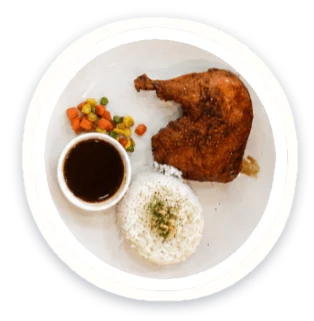
Made for
Food trips
Snap every stop and PlateDiary sorts your food trip by place, pins it on a map and keeps each price in the currency you paid. Capture works with roaming off.
Open →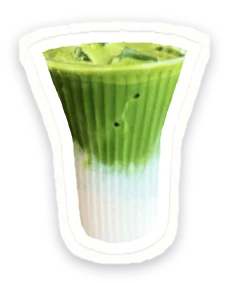
Features
Collections and tags
Favorites in a tap, albums for date nights or a whole trip, and smart collections you make by typing a sentence like “ramen with Mia this year”. Tags too.
Open →
Guides
Food trip itinerary
Plan a food trip that does not end in a food coma: how many stops, what to share, cash per person, walking order, pacing and a free itinerary template.
Open →