- PlateDiary
- Guides
- Food trip itinerary
Guide · Food trips
How to plan a food trip itinerary you can actually finish.
A food trip is a day (or a weekend) planned around eating: a taco crawl in Mexico City, a market morning in Lisbon, a Chinatown afternoon in Manila’s Binondo, a po’boy and beignet day in New Orleans. The plan is simple once you know the shape. Here it is, with a template.
Free on iPhone and Android. No account, and it works with no signal.
In short
To plan a food trip itinerary, pick one area and a theme, choose four to six stops (one or two full meals, the rest small bites), order them by walking route and opening hours, allow 30 to 45 minutes per stop with walks in between, share every plate, and bring a set amount of cash per person.
Checked
Seven steps
Plan the day in seven steps.
- Pick one area and a themeStay within one neighbourhood or a short train ride. A theme — noodles, street food, a market, desserts — makes choosing stops easy.
- Choose four to six stopsOne or two proper meals and the rest small bites: a snack, a drink, a dessert. More than six and the last stops are wasted on full stomachs.
- Check opening hoursMany small places close one day a week or sell out by early afternoon. Put the sell-out spots first.
- Order by walking routePlot every stop on a map and walk them in a loop or a line, never back and forth. Ten to fifteen minutes between stops helps you get hungry again.
- Plan to shareOrder one of each dish for the group instead of one each. You taste more and leave room for the next stop.
- Set cash per personAgree on an amount each before you start, and carry small notes. Street stalls and markets are often cash only.
- Keep a backup listTwo extra spots nearby for when one is closed, rammed or not what you hoped.
Pacing
How many stops is too many?
The rule of thumb: never two full meals back to back. Put a walk, a museum, a park or a market browse between them.
| Stops | Full meals | Shape | |
|---|---|---|---|
| Afternoon (3–4 h) | 3–4 | 1 | Snack, meal, drink, dessert |
| Full day (8–10 h) | 5–7 | 2 | Breakfast, snack, lunch, café, snack, dinner |
| Night out (4–5 h) | 4–5 | 1 | Drinks, small plates, main, late-night bite |
| Weekend | 10–12 | 4 | Two full days with a slow morning in between |
Cash
How much to bring.
Add up roughly what each stop costs per person, then add a third for drinks, the extra round and the snack you did not plan. Carry it in small notes. If one person pays for everything, write each stop’s total on your phone as you go so settling up at the end takes a minute — see how to split a restaurant bill.
Copy this
Free food trip itinerary template.
Copy the columns into a note or spreadsheet. Fill one row per stop, then re-order the rows by walking route.
| Stop and order | Share? | Walk to next | |
|---|---|---|---|
| 11:00 | Market stall — the famous fried snack | One per two | 10 min |
| 11:45 | Noodle shop — the house soup | One each | 15 min |
| 13:00 | Café — iced coffee, sit down | One each | 12 min |
| 14:15 | Bakery — whatever just came out | Two for all | 8 min |
| 15:00 | Dessert place — the cold one | One per two | Home |
Five shapes
Sample food trip day shapes.
- The street food crawl. Six stalls, all small bites, standing up. Best in the evening when the stalls are busiest — think Bangkok night markets or a taco crawl.
- The market morning. Breakfast inside a food market, a coffee nearby, an early lunch at a counter next door.
- The merienda trail. In the Philippines, merienda is the afternoon snack. Build a slow afternoon of them: something fried, something sweet, something cold.
- The one-dish pilgrimage. The same dish at three places — ramen in Tokyo, pastéis de nata in Lisbon, beignets in New Orleans — scored by everyone.
- The neighbourhood night. Drinks, small plates, a main, then the late-night spot locals end up at.
After
Keep the trip after it ends.
A food trip is a blur by the next morning unless you keep it as you go. In PlateDiary, snap the table at each stop: every dish is cut out on your phone and the day sorts itself into moments by place and time, so your itinerary becomes a real record of where you went. Capture works with roaming off. The map pins every stop, and prices stay in the local currency you paid in — PlateDiary never converts them.
Then caption it: food trip captions has a hundred and twenty to steal.
Questions
Questions people ask.
How do you plan a food trip?
Pick one area and a theme, choose four to six stops, check opening hours, order the stops by walking route, plan to share every plate, and agree on a cash amount per person before you set off.
How many places should a food trip have?
Three or four for an afternoon and five to seven for a full day, with no more than two full meals. The rest should be small bites, drinks and desserts.
How much money should I bring on a food trip?
Add up roughly what each stop costs per person and add about a third for drinks and surprises. Carry small notes, because many stalls and markets take cash only.
How long should you stay at each food trip stop?
About 30 to 45 minutes for a snack stop and an hour for a sit-down meal, with a ten to fifteen minute walk between stops.
Keep reading
More from the diary
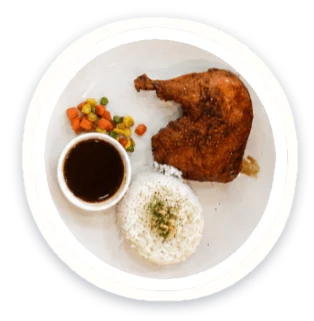
Made for
Food trips
Snap every stop and PlateDiary sorts your food trip by place, pins it on a map and keeps each price in the currency you paid. Capture works with roaming off.
Open →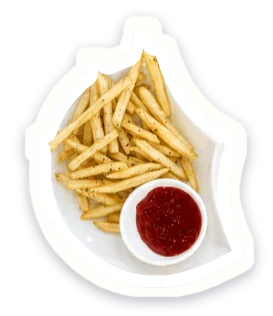
Guides
Food trip captions
Short, funny and sweet food trip captions for posts with friends, family and dates, plus food dump, cafe hopping and travel lines. Copy one and go.
Open →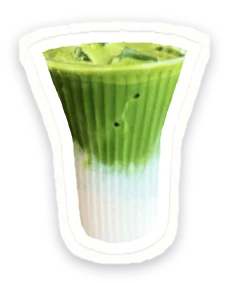
Guides
Cafe hopping
What cafe hopping means, how many cafés to visit, what to order so you last, a copyable planning checklist and a few captions for the post afterwards.
Open →Features
Food map
Every meal pins itself where it happened: one pin per place, how often you’ve been, what you had there, and filters for food, drinks or your favorites.
Open →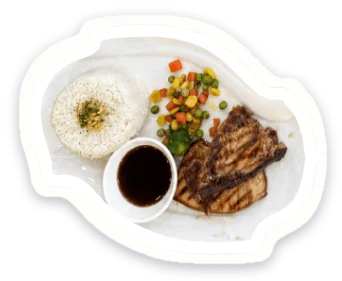
Compare
Polarsteps for food trips
Polarsteps keeps the route; PlateDiary keeps the meals: every dish, the place, the local price and who you shared it with. Use them together on a food trip.
Open →
Features
Bill and receipt scan
Add a price to a dish or scan the receipt and PlateDiary fills in the bill, read on your phone. Every currency kept as it was. Skip it and nothing changes.
Open →